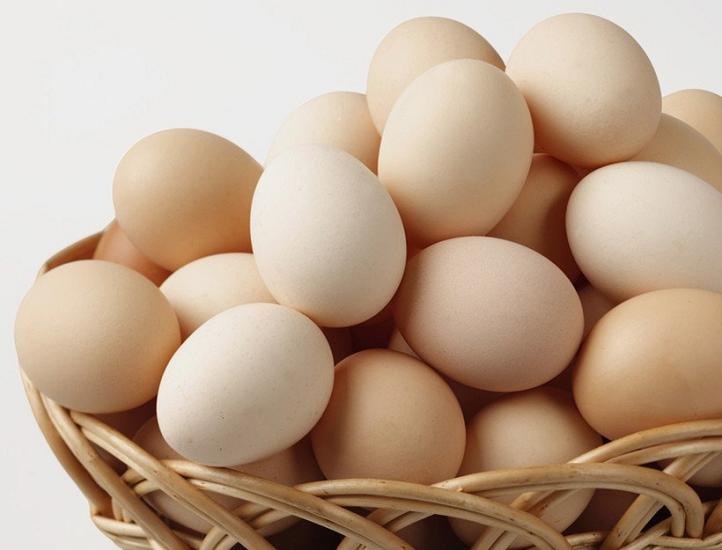
Properties: Sweet, neutral
Meridans Entered:
Primary: Lung, Stomach and Spleen
Traditional Actions/Indications:
- Nourishes Blood and Yin, moistens Dryness
Hot eyes
Sore throat, thirst after delivery, loss of voice
Dry cough
Restlessness
Fluid loss after dysentry
Scalds
- Prevents abotion
Threatened abortion
Suggested Daily Dosage: Can be eaten raw, boiled in water, or made into pills.
Notable Constituents:
- Lecithin
A phospholipid with a polar choline found in phosphoester linkage to diacylglycerol found in the yolk. It is commonly used as a food additive, as an emulsifier to blend fats and water, and marketed as a supplement to benefit the gut mucosal lining and helping with disorders such as ulceration and potentially improving gut microbial diversity. However, it could have the opposite effect in some individuals, increasing inflammation and disrupting the microbial environment (Panyod et al., 2024).
- Choline
Parent compound of the cholines class to generate the cholinergic system of neurotransmitters, which helps to regulate memory, mood, muscle control, and required to form the membranes that surround your body's cells. Choline may be used as a supplement in the treatment of bipolar disorders with some evidence to suggest it helps manic episodes (Sylvia et al., 2013) but weak to no evidence it helps the depressive aspect (Rakofsky & Dunlop, 2014). It has also been investigated into improving the cognitive symptoms of Alzheimer's disease (Bonvicini et al., 2023) and similar vascular brain disorders (Bermejo, Dorado & Zea-Sevilla, 2023; Pan et al., 2024). Chicken egg yolk are one of the highest nutritional sources of choline, at 251.00 mg / 100 g (Zeisel et al., 2003).
- Inositol
Sugar alcohol in the yolk that aids in cell signaling, insulin sensitivity, and hormone regulation, frequently used as a supplement to manage PCOS, metabolic syndrome, and mental health conditions.
- Avidin
A tetrameric glycoprotein found in egg whites noted for its high binding affinity to biotin (vitamin B7). It is denatured by cooking.
Notes:
Eggs are also a common part of folk medicine. One Chinese folk ritual involves cutting a boiled egg in half, removing the yolk and replacing it with a silver coin. The egg is then wrapped up in a cloth and rubbed on the affected area while still warm. Besides providing relief from the warmth massage, a diagnosis can be made based on changes in the coins colour: blue-black for Cold or orange-red for Heat (Cheung, 2017,
Hong Ahn (Egg Rub Remedy)).
Similar rituals are used by Curanderos in central America to cleanse a oerson of mal. A raw egg is passed over the body and cracked into a glass of water and diagnosis achieved by examining it's bouyancy, colouration and configuration (Cavender & Alban, 2009.
Appears in 1 formulae listed on this site: (click to display)
Research Links & References: (click to display)
Research Links:
Reference Notes:
Individual herb information has sourced mainly from TCM Wiki and American Dragon for basic data and then updated manually with my own notes. Zhou, Xie and Yan (2011): Encyclopedia of Traditional Chinese Medicines, Vol. 5, and A+ Medical Encyclopaedia have been used for entries not available from those sources with additional material searched for and filled in where available. Western herbs not appearing in the Chinese literature have used Ross (2010): Combining Western Herbs and Chinese Medicine: A Clinical Materia Medica, White Rabbit Institute of Healing and therapeutika.ch. Choices of which source to use or combine have been my own.
These pages are intended to assist clinicians and are not intended for self-diagnosis or treatment for which a qualified professional should be consulted. Actions and indications are taken from traditional uses and do not necessarily reflect the evidence base which should be researched independently. Dosages are for guidance only and will vary dependening on the potency of the batch and the tolerance of the individual so should be evaluated by a professional based on individual needs.